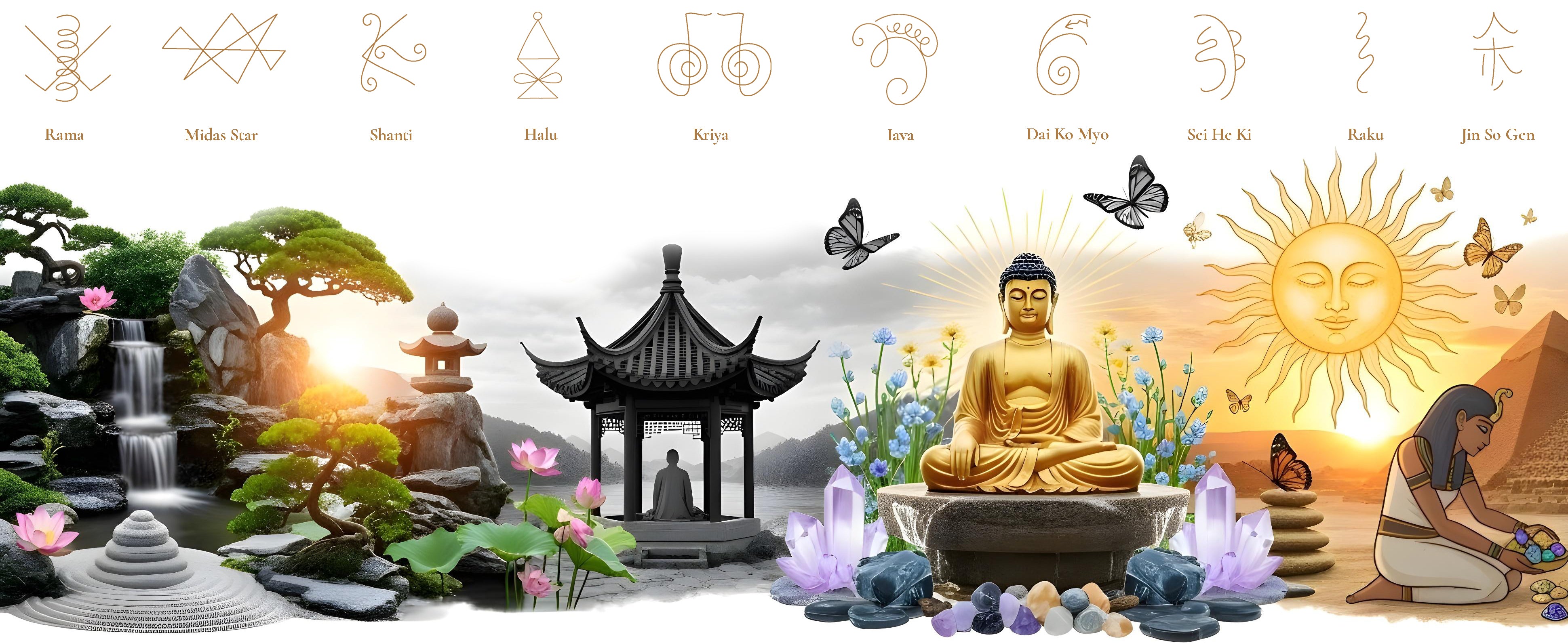
The teachings of Buddhism have long offered a path to awareness and serenity, guiding many toward a harmonious existence. Through its profound practices like mantras and meditation, one can discover inner peace and devotion.

Among various recitation methods, Buddhist monks often embrace the Bodhi Seed Bead. Known as the Bodhi Seed Mala, it is derived from the sacred fig tree beneath which the Buddha is believed to have achieved enlightenment.
These sacred Bodhi Beads come from Nepal, the birthplace of Lord Buddha. The Prayer Mala, comprising 108 beads and a tassel with Guru beads, connects practitioners to Buddha, who showed the middle path to enlightenment.
Understanding the Bodhi Seed
Known as Mani beads, Bodhi seeds are traditional Buddhist rosaries. They originate from the Holy Tree planted by Gautama Buddha during his enlightenment. Mani Pearls are employed to count chants in prayers and meditative rituals.
These exquisite seed rosaries are a beautiful reminder of your practice. Each bead bears an ancient script, strung on a durable thread, designed for frequent use.
In Buddhism, Bodhi seeds are revered for their meditative power. As you handle the wristband or pass it over your head, you are drawn deeper into your spiritual intentions.
The Roots of the Bodhi Seed
Unadorned Bodhi seeds reveal natural textures and hues. It is said that Prince Siddhartha attained enlightenment beneath a Bodhi tree, marking its profound significance.
The Bodhi Tree holds immense spiritual value. Gautam Buddha, born into the Shakya dynasty, achieved enlightenment at Bodh Gaya. Sages began to wear Bodhi Mala, drawn to the tree's sanctity. The term 'Mala,' meaning 'garland' in Sanskrit, reflects this tradition.
As Hindu culture presented floral garlands to spiritual figures, this practice was adopted by Buddhists as well, highlighting the cultural interconnections. Buddhism, emerging from India, integrated aspects of Hindu traditions, such as using Japmala for mantra recitation.
The Significance of Bodhi Seed
Bodhi seeds are integral to meditation, assisting Buddhists in seeking enlightenment. The beads hold profound meaning, as Buddha himself attained enlightenment beneath the Bodhi tree.
On the spiritual journey, each seed offers tranquility and wisdom. They serve in mantra chanting, prayer, and mindfulness, enhancing focus and spiritual connection.
Both Buddhists and Hindus hold the Bodhi seeds mala sacred. Gautam Buddha is said to have recommended mala pearls for enhancing mindfulness during meditation.
In Buddhist tradition, these are significant gifts, used as offerings to teachers, deities, and enlightened beings. A mala gifted by a monk or revered figure may gain additional spiritual power.
Favored Bodhi Beads
The seed of Elaeocarpus angustifolius is a favored choice for Bodhi beads. Found in regions like China's Hainan, Tibet, and parts of Asia, including Nepal and India, it is known locally as the 'eye of Lord Shiv.'
Sandalwood beads, sourced from trees in Asia or East India, hold sacred status across various cultures and are prominent in Buddhist and Hindu ceremonies.
Rosewood, a valuable wood, has been used in Buddhist rosaries for centuries. It is believed to dispel negativity, offering stability, protection, and peace, with its distinct texture grounding the practitioner in mindfulness.
Versatile Uses of Bodhi Seed
'Bodhi,' meaning 'awakened' in Sanskrit, signifies 'enlightened seed.' The term Bodhi denotes a Buddha's realization of truth. Rudraksha, a fruit of the Himalayan tree, blooms at high altitudes.
The seeds are known for their energetic qualities, enhancing clarity, calming the mind, and dispelling negative thoughts. The beads are robust and dense.
Mala beads can be crafted from wood, seeds, or gemstones. Options include:
?∟ Rudraksha
?∟ Bodhi Seeds
?∟ Antique Bodhi Seeds
Reciting mantras is a straightforward practice. With each bead, repeat a chosen chant, prayer, or intention, such as Om, peace, or love. Whether whispered, murmured, or spoken, these chants channel positive energy and sharpen focus.
Although maintaining initial concentration might be challenging, with practice, the mind becomes more centered.
Bodhi Seed in Buddhist Practice
The Prayer Mala, consisting of 108 beads, symbolizes the overcoming of impurities. Worn by monks and nuns, it signifies purity and spiritual advancement.
Over time, Bodhi Seed Mala strands become more beautiful, representing the soul's purity. Typically, Bodhi malas are 10 - 12 mm in size. The seeds are dried, pierced, and strung into malas.
This age-old method remains unchanged, with the mala transforming into a rust-hued necklace through prolonged use. Due to their size, Bodhi malas are often worn around the neck.
Varieties of Bodhi Beads
This full-length mala includes counter and spacer beads, divided into four sections of twenty-seven each. Available in various lengths, malas come with 54, 27, or 21 beads, and bracelets with 18 beads. Many malas feature adjustable cords.
Some use elastic strings for hand-worn malas, while others offer different interpretations of Bodhi seed mala significance.
Wrist Malas consist of 27 beads plus a head bead, counted four times for a total of 108. Strung on elastic, wrist malas have no ties between gems. The mala's circumference is used for measurements.
Meditating with Bodhi Seed
These malas excel in counting breaths or chant rounds during meditation. A top bead marks the start and end of each 108-bead cycle on neck malas. Within Buddhist culture, 108 represents earthly temptations, while in Hinduism, it is a multiple of '9.' This number holds significance across various traditions, with each bead conveying unique meaning.
A standard 108-bead mala symbolizes the divine alignment of the universe. A tassel joins the largest master beads, representing the sacred bond between student and teacher. Returning to the guru bead at the end of meditation honors this relationship.
Meditation offers benefits such as peace and enhanced focus. Research links meditation to numerous physical and mental health advantages, making it a valuable practice for all.
Purifying Bodhi Seed Mala Beads
Sunlight: Placing mala beads in indirect sunlight effectively cleanses them, with the sun's energy offering warmth and healing. Morning sunlight is ideal for purification.
Moonlight: The moon's potent energy can also purify malas, with full or new moon phases being particularly powerful. Placing the mala on a windowsill recharges it.
Inner Power: Use your inner strength to cleanse the mala by visualizing a bright light enveloping the beads. This meditative practice is as effective as any other method. Saltwater or rock salt solutions are alternative options for purification.
Caring for Your Bodhi Seed Mala
Avoid wearing the mala wrapped around your wrist for extended periods, as it may cause damage. When not in use, store the mala in its accompanying pouch.
Preserve Bodhi beads for bowing practice with a small amount of olive oil. Wearing the mala during movement-based activities risks breakage.
Do not immerse mala beads in water, especially those made of seeds. Avoid wearing them in the shower, bathtub, or pool. Some stones may have enhanced or dyed colors, so protect them from excessive sun or sweat exposure.
Keep malas away from direct sunlight, as certain stones may fade over time. Handle your mala with love and respect, storing it in a clean bag or wooden box.
Responding to a Broken Bodhi Seed Mala
If your mala breaks, honor it by bowing with gratitude. Instead of setting it aside, cherish the energy of its journey. Scatter the beads in nature, repurpose them, or bury them, appreciating their service.
Remember the joy when you first received the mala? Maintain that energy as you conclude this chapter, grateful for its presence in your life.
Conclusion
Let creativity guide you in selecting a blend of seeds, stones, and mantras to enrich your spiritual journey. Mala beads are reservoirs of energy, offering lessons and healing through their presence.
Mystical reminders, these beads invigorate both body and mind. Choose those that resonate with your intentions, enhancing your practice and goals. Meditation remains a timeless method for stress relief and holistic well-being.
Wearing malas during relaxation may help regulate blood pressure and heart rate, fostering a balanced awareness.
Reflect on the interconnectedness of all things, where each bead and mantra is a step toward inner harmony and enlightenment.
What is the significance of 108 beads in a mala?
In Buddhism, the 108 beads symbolize overcoming earthly temptations, while in Hinduism, they relate to spiritual completeness. This number holds spiritual significance across several traditions.
How should one choose a mantra for their Bodhi Seed Mala?
Select a mantra that aligns with your spiritual goals and resonates with your heart. Common choices include Om, peace, love, or personal intentions that guide your meditation practice.
Can Bodhi Seed Malas be worn by non-Buddhists?
Yes, Bodhi Seed Malas can be worn by anyone seeking spiritual growth and mindfulness, regardless of religious affiliation. They serve as tools for meditation and personal reflection.