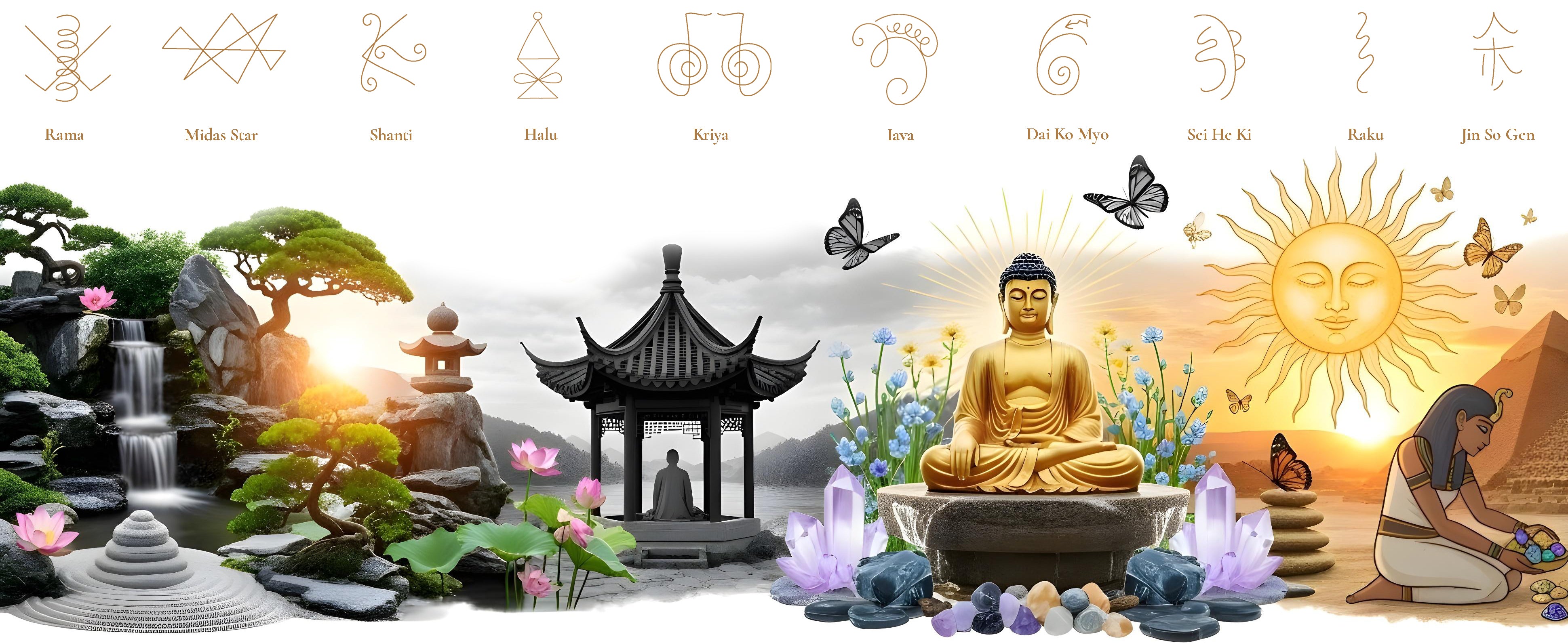
Within the realm of auspicious symbols, Buddhist icons hold significant meaning. However, individuals might feel reluctant to embrace these symbols due to concerns about conflicting with their existing spiritual practices. Such caution is quite understandable.
Yet, it is vital to recognize that Buddhism does not contradict other faith traditions. On the contrary, it often supports and enriches one's spiritual journey.
Let us delve into some frequently asked questions about the harmonious relationship between Buddhist principles and other religious paths.
Are Buddhist Principles Compatible With My Religion?
Certainly, Buddhist principles do not conflict with your religious beliefs.
These principles can indeed harmoniously coexist with your spiritual path. It is crucial to realize that Buddhism serves as a philosophy rather than a conventional religion. This implies that it lacks rigid dogmas or doctrines that demand adherence. Instead, Buddhism offers guidelines that can guide you toward a life of serenity and fulfillment.
Should you be inclined to incorporate Buddhist symbols known for attracting good fortune, you can do so without concern. These symbols will not disrupt your spiritual beliefs.
Is It Possible to Use Buddhist Symbols Without Believing in Buddhism?
Indeed, you are free to embrace Buddhist symbols even if you do not follow Buddhism as a belief system.
No mandate requires one to be a Buddhist to utilize these symbols. What matters most is grasping the symbol's significance and applying it in a manner that benefits you.
For instance, if you seek a symbol that signifies good fortune, consider the lotus flower. This symbol embodies purity and spiritual awakening.
Embracing this symbol can serve as a gentle reminder to maintain purity of heart and mind, even in trying times. These virtues are universally beneficial, transcending individual religious boundaries. Comprehending the essence of the symbol you adopt is key.
Are Christians Permitted to Use Buddhist Symbols?
Absolutely, Christians can incorporate Buddhist symbols into their practices. The Bible contains numerous references encouraging the use of symbols.
For example, the book of Revelation discusses the seven stars and candlesticks, both of which symbolize various divine attributes.
Additionally, in the book of Exodus, God instructs Moses to use a serpent on a pole as a healing emblem.
These instances illustrate how symbols convey spiritual truths effectively. This principle holds true for Buddhist symbols as well.
However, Jesus advises against relying on charms or talismans in the Bible. How might one reconcile this?
It is essential to understand that Jesus cautioned against idolizing symbols in place of God. He did not prohibit the use of symbols altogether. In fact, he employed symbolic teachings to convey deeper spiritual truths, as demonstrated in the examples above.
Thus, Christians can utilize Buddhist symbols, ensuring they are viewed as reminders of spiritual truths rather than objects of worship.
Do Buddhist Symbols Diminish My Connection With God?
No, Buddhist symbols do not weaken your bond with God.
In fact, they may enhance your spiritual relationship with God. The primary focus should be understanding the symbol's underlying meaning. If used to reinforce your divine connection, these symbols can only fortify that spiritual link.
Certain Buddhist teachings parallel Christian teachings. One such concept is karma.
Karma reflects the idea that actions yield consequences, both favorable and unfavorable. This aligns with the Christian teaching of "reaping what you sow."
By exploring and integrating Buddhist symbols, you can gain a deeper appreciation of Christianity, thereby strengthening your relationship with God.
What About Other Spiritual Paths?
Buddhism can exist harmoniously alongside any other spiritual tradition. Many individuals find that Buddhist principles complement their religious beliefs.
If you belong to another faith, you might consider using Buddhist symbols for good fortune. Simply ensure you convey their significance to those who inquire.
Do Buddhist Symbols Bestow Good Fortune?
Certainly, they can! However, it is crucial to remember that luck is merely one facet of these symbols. They also embody peace, compassion, and wisdom. While they may bring good fortune, they also guide you toward a more tranquil and meaningful existence.
Symbols of Fortune in Buddhism

Buddhism offers a variety of symbols associated with good fortune. Here are a few well-regarded examples:
The Buddha Statue. The Buddha statue stands as one of the most revered Buddhist symbols. It represents Siddhartha Gautama, the historical Buddha. The statue is believed to bring good fortune due to its embodiment of the Buddha's enlightened and peaceful nature.
The Lotus Flower. The lotus flower is another cherished symbol in Buddhism. It signifies purity and detachment from worldly concerns. The lotus flower is thought to bring good fortune by reminding us that maintaining a pure heart enables us to achieve great things.
The Eight Auspicious Symbols. The eight auspicious symbols are a collection of Buddhist emblems representing prosperity and success. This set includes the conch shell, the golden fish, the parasol, the victory banner, and others. These symbols are said to bring good fortune as they remind us that following a righteous path leads to success.
Final Thoughts
Incorporating Buddhist symbols into your life can attract good fortune without conflicting with your current spiritual beliefs. Many discover that Buddhist principles actually enhance their own religious practices.
The decision to use Buddhist symbols is yours alone. If you seek to invite good fortune and deepen your spirituality, these symbols can serve as valuable tools.
Should you choose to embrace Buddhist symbols for good fortune, proceed with confidence. Comprehend the meaning behind each symbol and share that understanding with those who inquire.
Remember, these symbols encompass more than mere luck. They also embody peace, compassion, and wisdom. Thus, they not only bring good fortune but also guide you toward a more harmonious and fulfilling life.
As we meditate on the essence of these symbols, we are reminded that the true fortune they offer is in their ability to deepen our awareness and connection with the world around us. Let us use them as a guide to cultivate inner peace and extend kindness to others, thus creating a ripple of positive energy.
FAQ
Can Buddhist symbols be used in daily meditation practices?
Yes, incorporating Buddhist symbols into meditation can enhance your focus and deepen your practice. By reflecting on the symbol's meaning, you can connect more profoundly with your inner self.
Do I need a specific space to place Buddhist symbols for them to be effective?
No, there is no specific requirement for where you place Buddhist symbols. However, selecting a serene and mindful space can enhance your connection with the symbols and their meanings.
How can I explain Buddhist symbols to others without offending their beliefs?
Approach discussions with respect and openness, sharing the universal values of peace and compassion that the symbols represent. This can foster understanding and respect among diverse belief systems.